Showing posts with label SUICIDE. Show all posts

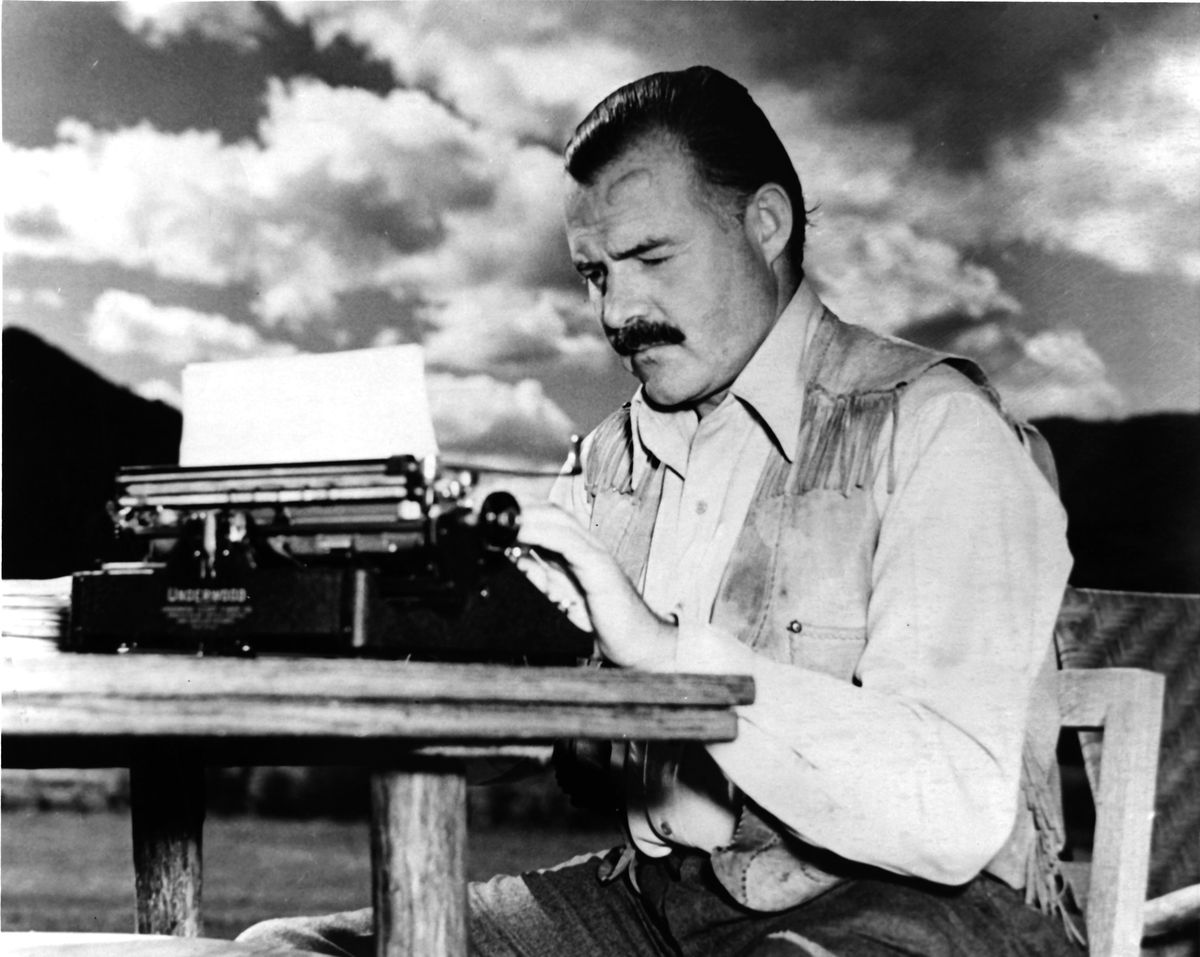
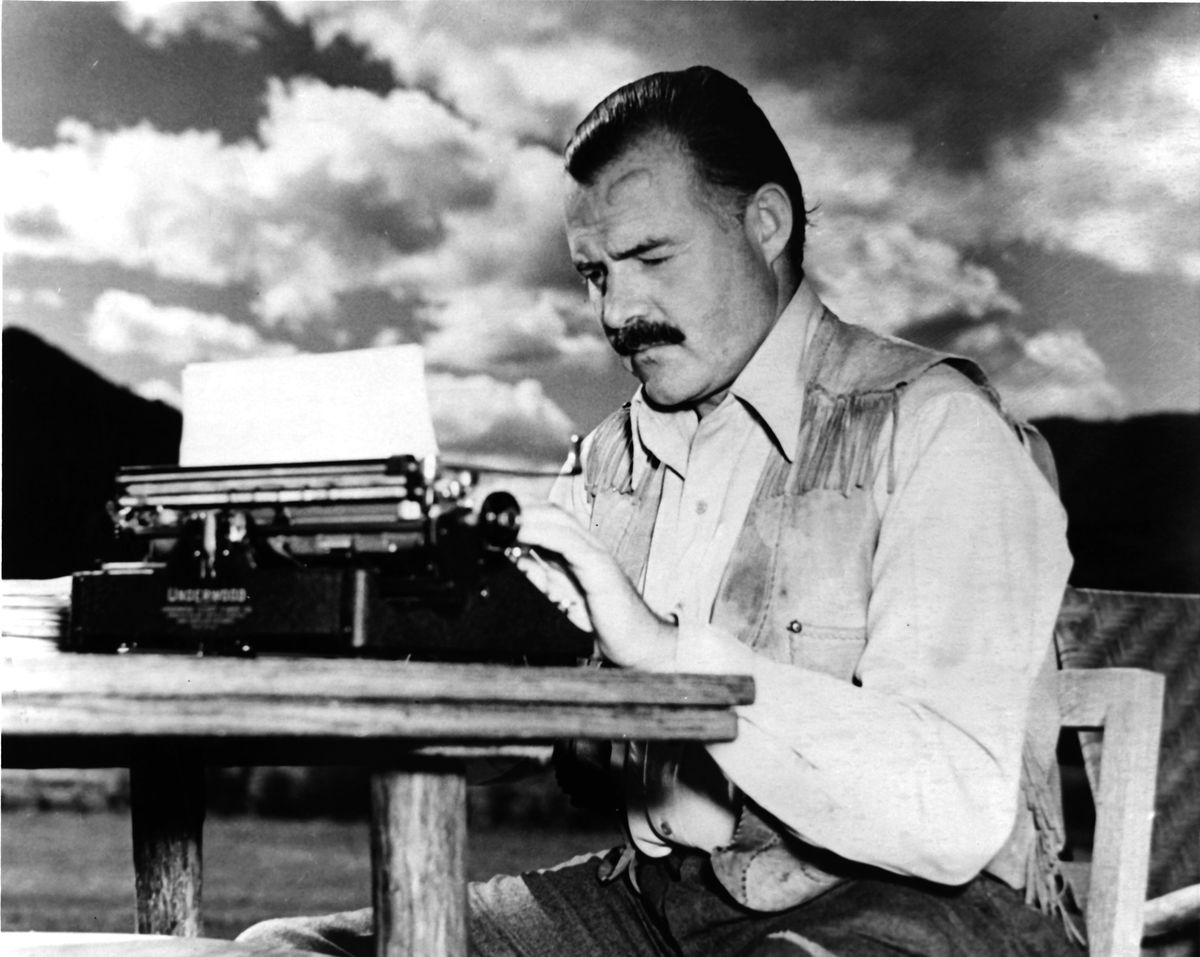
2 August 2022 - THE FINAL HOURS OF ERNEST HEMINGWAY


THE FINAL HOURS OF

 ERNEST HEMINGWAY


G'day folks,

Ernest Hemingway, the Nobel Prize-winning author, adventurer, war correspondent, bullfighter, drinker and all-round macho man, blew his own brains out in 1961. His fourth wife, Mary, said that he killed himself accidentally while cleaning his double-barrelled 12-gauge shotgun. 

But did he? Controversy has surrounded the death of the 61-year-old celebrity since the fatal shooting at his home in Idaho and over the years writers, researchers – and psychiatrists – have delved into the mystery.

In 2006, American psychiatrist Christopher D. Martin said: “The accumulating factors contributing to Hemingway’s burden of illness at the end of his life are staggering.” He listed bipolar mood disorder, depression, chronic alcoholism, repetitive traumatic brain injuries and the onset of psychosis.


Some commentators have suggested that Hemingway’s problems – and depression – began in 1928 when his father, Clarence, committed suicide by shooting himself in the head. But his grandfather, brother, sister, and granddaughter all killed themselves. And besides suicide, the Hemingway family history is also laced with the inherited condition of hemochromatosis, it has emerged.

Swiss scientist Sebastian Dieguez wrote in 2010 that Hemingway's recorded behaviour and symptoms were misdiagnosed, and his death was not an accident, but a suicide driven by the pain of this untreated disease.

Hemochromatosis is a rare iron-overloading disorder that causes internal damage of joints and organs, diabetes, cirrhosis of the liver, heart disease, and depression. It is also known as the Celtic Curse, and when it goes untreated can cause severe pain, suffering, and death. It is worse when mixed with the kind of excessive drinking in which Hemingway frequently indulged.

In physical decline, then, Hemingway found around 1960 that he faced another devastating and cruel blow – he could no longer write. The words wouldn't come. Deepening depression came instead, according to English writer and researcher John Walsh.

In the spring of 1961, Hemingway was asked to contribute a single sentence to a presentation volume marking John F. Kennedy's inauguration. He could not oblige. He told his lifelong friend and biographer, A.E. Hotchner: "It just won't come any more," and wept.

Walsh concludes: “Building and sustaining the image of ‘Hemingway the Man's Man’ took courage and determination, but it was something he needed to do – and when it dwindled, along with the all-important capacity to write, he had no answer except to go the same way as his father.”


10 April 2016 - THE BUGATTI BROTHERS


THE  BUGATTI BROTHERS

G'day folks,

Most people know the name Bugatti, but here are some interesting facts behind the name. Sadly, in 1916 Rembrandt Bugatti, a sculptor and younger brother of Italian auto designer and manufacturer Ettore Bugatti, committed suicide at the age of 31.


The Bugatti brothers were born in Milan, Italy; Ettore in 1881 and Rembrandt in 1884. They came from a creative family that included artists and architects. Their father, Carlo Bugatti, was a successful furniture and jewelry designer. In 1909, Ettore founded the Bugatti car company in present-day Molsheim, France; the business became known for its stylish, high-performance automobiles. During the 1920s and 1930s, Bugatti made a name for itself in the racing world, taking first place at the inaugural French Grand Prix at Monaco in 1926 (and going on to win a number of later Grand Prix races) and claiming victory at the 24 Hours of Le Mans in 1937 and 1939.


Ettore Bugatti’s son, Jean, was a talented car designer who worked with his father. He died in 1939 at the age of 30 while testing a Type 57 car. Ettore Bugatti died on August 21, 1947, and was buried in the Bugatti family plot in Dorlisheim, France, near his brother Rembrandt and his son Jean. The Bugatti company had experienced difficulties during World War II and after Ettore’s death, the business went into decline and was sold. In the late 1990s, Volkswagen purchased the Bugatti name and incorporated Bugatti Automobiles S.A.S., basing the new company once again in Molsheim. In 2004, the company began production of the Bugatti Veyron, a super sports car that carried a price tag of over $1 million and was capable of reaching speeds of around 250 miles per hour, making it one of the world’s fastest production cars.


In February 2009, a rare unrestored 1937 Bugatti Type 57S Atalante Coupe that was found in the garage of a British doctor sold at a Paris auction for some $4.4 million. The black two-seater, one of just 17 57S Atalante Coupes ever made by Bugatti, had been owned by English orthopedic surgeon Harold Carr since 1955. The vehicle was built in May 1937 and originally owned by Francis Richard Henry Penn Curzon, the 5th Earl Howe and the first president of the British Racing Drivers’ Club and a winner of the 24 Hour Le Mans race. At the time of the auction, the car was said to be in good condition and had 26,284 miles on its odometer. When it was built, the 57S Atalante Coupe was capable of reaching speeds of more than 120 miles per hour at a time when the average car couldn’t do more than 50 miles per hour.


 Like Bugatti automobiles, Rembrandt Bugatti’s sculptures are sought out today among art collectors. He was best known for his sculptures of animals; a replica of a dancing elephant he designed was featured as a hood ornament on a 1920s Bugatti Royale auto. At the time of his suicide in 1916, Rembrandt Bugatti was reportedly experiencing financial troubles and suffering from a depression spurred on by the events he’d witnessed as a volunteer paramedic aide during World War I.


Clancy's comment: Mm ... I've been fortunate enough to have been in and driven a few Bugatti's, only because friends of mine owned them.  However, there always seems to be an element of sadness behind success.

I'm ...