Abandoned
Salt Mine
1200 Feet Under Detroit
G'day folks,
It’s no
secret that Detroit has been hit very hard by the recession. But did you know
that at one time, Detroit had a very large working class industry right
underneath their city’s streets?
Detroit had a very large salt mine that was
basically an underground industry underneath their city. It was over 1,500
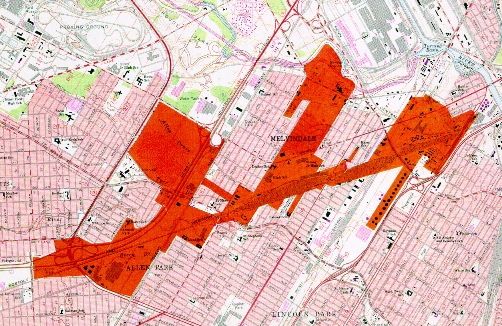
acres big and had over 100 miles of roads making up this underground salt mine.
This mine stretches from Dearborn all the way to Allen Park. The mines were
owned and operated by The Detroit Salt and Manufacturing Company. It was
booming from the early 1920s up until 1983, when it was forced to close due to
the falling salt prices. When business was good, they offered public guided
tours, which was very popular with school groups. You can still see the
entrance at 12841 Sanders Street, but it’s only open for delivery trucks. Read
further to see exactly what they are delivering.
So how exactly did all of
this salt get underneath the city of Detroit? About 400 million years ago,
there was an area of land that is now called the Michigan Basin. This area was
separated from the ocean but kept sinking lower and lower into the Earth.
Because it continued to sink, the salt water from the ocean poured in as the
ocean receded. Once the ocean water evaporated, it left behind huge salt
deposits.
Throughout hundreds of thousands of years, the
Niagara Escarpment was formed. This was a large basalt rock area that covered a
lot of land, including the whole state of Michigan. Because of this rock, it
buried the salt mine, basically preserving it 1200 feet below the Earth.
According to some estimates, there is 71 TRILLION tons of salt in these mines.
Even though salt is not currently a hot commodity, it was at one time. For
example, a long time ago in China, salt coins were used for payments and salt
cakes were used in the Mediterranean. Even Romans paid their soldiers in salt.
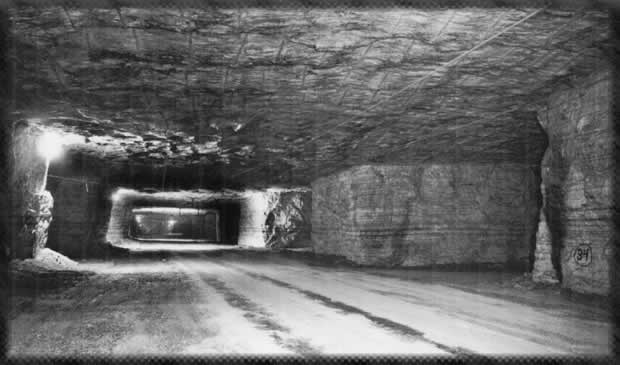
When the salt was discovered in Detroit in
1895, everyone was thrilled. The Detroit Salt and Manufacturing Company came in
11 years later, in 1906, and decided to start digging a shaft down to the salt.
But during this process they went bankrupt due to the high cost of the project,
and many workers lost their lives. But they kept on trying. In 1910, The
Detroit Salt and Manufacturing Company completed the 1,060 foot shaft and began
working on the second salt bed. They were bought by Watkins Salt Company. After
the shaft was completed and the second salt bed complete, they increased their
productivity and purity. By 1914, they were able to produce approximately 8,000
tons of rock salt each month.
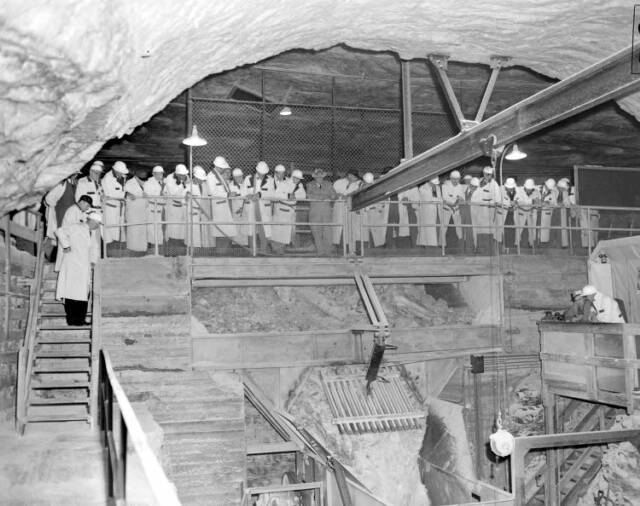

Due to the productivity, The International
Salt Company who had purchased the mine from Watkins Salt Company, decided to
increase the productivity even more! They employed more men and used better
equipment, which included electric power, locomotives, and mechanical shovels.
They decided to build a second shaft in 1922 and finished it in 1925, which
increased the capacity of the mine and also decreased the amount of time spent
hoisting the salt to the surface.
Mining underground was not easy, by any means!
Even in modern-day conditions, underground mining is not an easy way of living,
so you can imagine how harsh it was in the 1900s. They decided to start using
donkeys to help with the workload, but due to the conditions, a lot of them
would die an untimely death. The equipment that was used underground often
stayed there too. It was just too hard to get them back through the 6×6 foot
narrow shaft opening.
One thing that has been said about the mine is
that it was clean and rodent-free. Miner Joel Payton remembers, “One reason we
don’t have any rats in our Detroit mine is because the rats would have nothing
to eat except the leavings of our lunch pails. And by the way, not only are
there no rats or cockroaches or other living creatures in our mine, but also no
remains of living things from past ages.”
They continued mining the
Detroit Salt Mines until 1983 when it was no longer a profitable business to be
in. This mine remained unused until 1997, The Detroit Salt Company LLC
purchased it. They began producing salt again in 1988, and is currently mining
salt today. But they are no longer mining table salt. They now mine road salt,
which is used during the very harsh Michigan winters.
Clancy's comment: There ya go. I bet this comes as a surprise to many Americans. Maybe they should change its nickname from 'Motown' to 'Saltown.' Just sayin' ...
I'm ...


